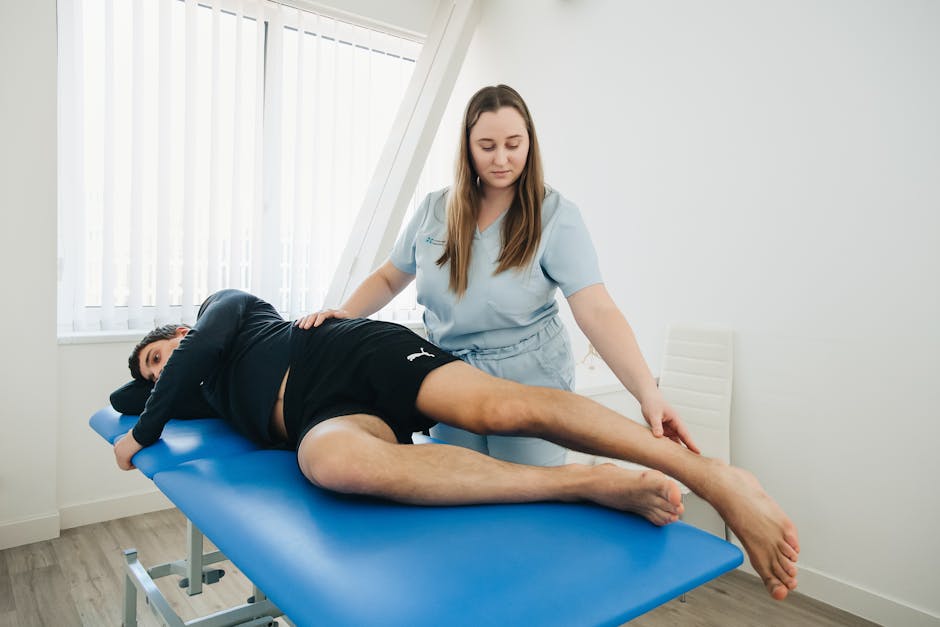
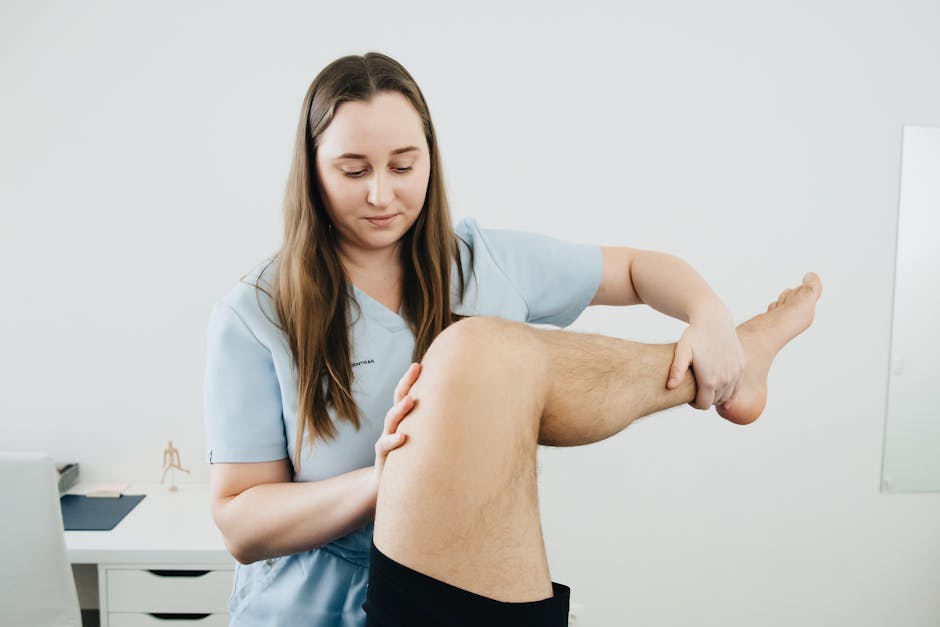
A physiotherapist finishes her last patient at 5:30pm. She has been doing clinical work since 8am. Now she has 90 minutes of notes, NDIS progress reports, and Medicare claim forms ahead of her. She will leave the practice at 7pm. Tomorrow, she will do the same thing.
This is the reality of allied health in Australia. The clinical work is rewarding. The admin is not. And the admin is winning.
The admin crisis in allied health
Allied health practitioners routinely spend a significant portion of their working hours on administrative tasks. Clinical notes. NDIS reporting. Medicare claim processing. Service agreements. Intake forms. Appointment reminders. Referral letters. CPD documentation for AHPRA registration.
For solo practitioners and small practices, this is unsustainable. You became a physio, psychologist, occupational therapist, or speech pathologist to do clinical work. Every hour spent on admin is an hour you are not treating patients, not earning revenue, and not doing the work that gives you professional satisfaction.
The systems allied health practices run
Most Australian allied health practices use Cliniko, Halaxy, Nookal, Power Diary, or Coreplus for practice management and clinical records. These are good platforms. They handle bookings, clinical notes, invoicing, and basic reporting.
But they don’t handle everything. NDIS claiming requires checking service bookings against plan budgets and price guides. Medicare CDM claims require specific documentation linked to the GP’s referral. Telehealth sessions need their own billing codes and documentation. Each of these processes has manual steps that your admin team or your practitioners handle individually.
What a Chief Agent Officer would change
NDIS participant intake
A new NDIS participant is referred to your practice. An AI agent checks their plan details against the current NDIS price guide. It generates the service agreement with the correct line items and rates. It sends the agreement for digital signature. It creates the participant file in Cliniko with all relevant plan information. It schedules the initial assessment based on the practitioner’s availability. It sends the intake questionnaire to the participant.
Your admin team currently does every one of these steps manually for every new participant. Each intake takes 30 to 45 minutes. With 4 to 6 new participants per week, that is 3 hours of admin work that follows the same process every time.
NDIS claiming and plan management
NDIS claiming requires precision. Each service must be billed against the correct support category at the correct rate from the current price guide. Plan budgets need to be tracked so you don’t exceed the participant’s allocation. Service bookings need to be reconciled against actual delivery.
An AI agent can track plan budgets in real time, flag when a participant is approaching their allocation limit, verify that each claim matches the price guide, and prepare bulk claim submissions. Your admin staff stop hand-checking every invoice against a PDF price guide.
Medicare CDM referrals
Chronic Disease Management referrals from GPs are a significant revenue stream for allied health. But they come with specific requirements. The GP’s management plan must be on file. The number of sessions must be tracked. The referral must be current. Reports back to the GP must be sent at defined intervals.
An AI agent tracks CDM referrals across your patient base. It flags when a patient is approaching their session limit. It generates progress reports for the referring GP at the required intervals. It alerts you when a referral is about to expire so you can request a renewal. No more patients discovering mid-session that their referral ran out last month.
Telehealth workflow
Telehealth is now a permanent part of allied health delivery. But it adds administrative complexity. Different MBS item numbers. Different documentation requirements. Consent forms specific to telehealth. Technology setup instructions for patients who are not confident with video calls.
An AI agent can handle the entire telehealth preparation workflow. It sends the patient a reminder with connection instructions. It verifies that telehealth consent is on file. It checks the correct billing item number. It sets up the video link. After the session, it generates the clinical note template with the telehealth-specific fields pre-populated.
AHPRA and CPD requirements
Every registered allied health practitioner must maintain CPD records for AHPRA. The requirements vary by profession but all involve documenting learning activities, reflecting on practice, and maintaining a portfolio that could be audited at any time.
An AI agent can track CPD hours against requirements, remind practitioners when they are falling behind, and help compile the documentation needed for audit. It is a small task individually. Across a practice of 8 to 10 practitioners, it is a meaningful administrative saving.
The automation principle in allied health
Sabrina Ramonov demonstrated a single command that automates a 13-step content distribution workflow. One trigger handles search, transcription, formatting, quality checks, and multi-platform publishing. Three hours become 10 minutes.
NDIS participant intake has a similar structure. It is a defined sequence of steps. Check plan details. Generate agreement. Send for signature. Create file. Schedule assessment. Send questionnaire. Each step has clear inputs and outputs. Each follows rules. The clinical judgment comes later, during the assessment. The intake process itself is operational, and operational processes are what AI agents handle best.
The practitioner burnout problem
Allied health has a retention problem. Practitioners leave the profession because the admin load makes the work unsustainable. They did not study for four years to spend their evenings writing progress reports and checking NDIS price guides.
Reducing the admin burden is not just an efficiency play. It is a retention strategy. When your practitioners can finish their documentation within work hours, they stay longer. When they spend more of their day doing clinical work, they are more satisfied. When they are not burning out, your recruitment costs drop.
AI agents will not eliminate admin entirely. But they can significantly reduce the time spent on routine, repetitive tasks that follow defined processes. That is the difference between a practitioner who leaves at 5:30 and one who leaves at 7.
Why Navii
Navii is the fractional Chief Agent Officer for small Australian professional practices. We build AI agents that connect to Cliniko, Halaxy, Nookal, Power Diary, and the other tools your practice already uses. We understand NDIS claiming, Medicare CDM requirements, and the operational reality of running a small allied health practice.
The team behind Navii built Velluto Health for GP practices and has supported over 13,245 small businesses across 13 years. We know clinical environments. We know the software. We know the workflows.
If your practitioners are spending their evenings on admin instead of going home, we should talk.